Latest News

Win a ST ARGO Collar Walk Set for Mother's Day 2022!


Mother's Day is nearly here on Sunday 8th May so we teamed up with ST ARGO Melbourne for your chance to win one of their stunning Collar Walk Sets in the colour of your choice!

This stunning luxury designer dog wear features ST ARGO’s signature vegan leather, used across their entire collection. It is not only aesthetically pleasing but is also sustainably sourced and ethically manufactured.

ST ARGO Collar Walk Set in Ruby Red - Credit: @lattethegroodle


ST ARGO founders care deeply about the planet and creating a business that gives back to nature. This is why they have partnered with One Tree Planted and committed to the 2022 Mornington Peninsula Koalas Project, which aims to plant 20,000 trees specific to the region and to koala species across public and private land. They will achieve this goal by pledging one tree directly to the Mornington Peninsula Koalas Project, for every order placed until September.

ST ARGO strives to achieve comfort, so that it is not just ease of use for dog owners and their pooches are equally comfortable. 

Discover the latest ST ARGO Collection by browsing st-argo.com

*** WIN a ST ARGO Melbourne Collar Walk Set ***

ST ARGO Collar Walk Set in Bottle Green


This stunning Collar Walk Set is available in 9 colours: Soft Blue, Taupe, Lilac, Sage, Peach, Pale Pink, Ruby Red, Bottle Green & Navy! Browse all the options here

The winner's set (RRP: $154.00, colour of your choice) contains:

✔️ 1 x Collar (Available in 5 sizes: XS / S / M / L / XL)

✔️ 1 x Lead (130cm long x 2cm wide, suitable for dogs of all sizes)

✔️ 1 x 3 Month Supply of Biodegradable Poop Bags

✔️ 1 x Poop Bag Holder (Fashionable enough to be mistaken for a small purse!)


HOW TO ENTER:

1) Like our post (30/04/22) + our Facebook or Instagram Page

2) Like  ST ARGO on Facebook @st.argo.melbourne or Instagram @st_argo

3) Tell us "why you'd love to win this stunning ST ARGO Collar Walk Set + your favourite colour?   


TERMS & CONDITIONS

1. This Competition opened on Saturday 30th April 2022 (4pm) and closed on Sunday 8th May 2022 - Mother's Day (4pm AEST).
Congratulations to our winner: R. Youl (via Facebook).
2. To enter, like the post and both accounts and comment "why you'd love to win this stunning ST ARGO Collar Walk Set + your favourite colour?         
3. This Promotion is a game of skill and chance plays no part in determining the winner.
The entries will be judged by the Australian Dog Lover team. The winning entries will be selected based on the most creative, informative or useful statement.
4. Please note you MUST LIKE our Facebook page or FOLLOW @australiandoglover on Instagram to be eligible.
5. Entrants in the competition can only enter once.
6. Prizes not claimed within 48 hours will be redrawn.
* Entry into the competition is deemed acceptance of all terms and conditions.

Another Leptospirosis Outbreak in Dogs in Australia


Companion Animal Network Australia urges dog owners to watch out for symptoms of this deadly bacterial disease

Following recent veterinary reports of exposure to a deadly bacterial disease in NSW and NT, leading animal welfare charity Companion Animal Network Australia (Australia CAN) is urging pet owners to be cautious when out and about with their dog and watch for signs of leptospirosis infection.

Leptospirosis is a zoonotic disease (affecting both animals and humans) caused by bacteria found specifically in infected animal tissues and urine. Infection with Leptospira bacteria may cause liver and kidney damage; however, it can also affect the nervous and respiratory systems, and in extreme cases cause death, according to the Australian Veterinary Association (AVA).

“After weeks of wet weather – with more on the way – and an ongoing mouse plague, we remind pet owners of the risk of leptospirosis as the bacteria can live in water, soil or mud or be carried by rodents,” says Trish Ennis, CEO of Australia CAN.


Australia CAN promotes the human animal bond and responsible pet ownership through national campaigns, partnerships and initiatives. 

It also represents the companion animal welfare work of six member agencies that provide rescue, shelter, re-homing, fostering, health care and enrichment services to more than 50,000 animals every year.

Last month, Northern Territory Health Director of the Centre for Disease Control, Dr Vicki Krause, announced known hotspots for leptospirosis exposure in the Fogg Dam and Harrison Dam areas in Greater Darwin, rural Darwin, the Katherine district, Finniss River, Tipperary, Daly River and Gunbalanya ¹.

Cases of leptospirosis have also been recently detected in NSW’s Hunter region, Marrickville and the Northern Beaches ², claiming two dogs in Sydney and leaving another critically ill.

Outdoor activities with your dog such as walking, camping and swimming may increase the risk of infection. 


The bacteria can enter a dog’s body via cuts or abrasions on the skin, or through mucous membranes in the mouth, nose or eyes, according to the AVA.

Symptoms of leptospirosis may include vomiting, diarrhea, inappetence, jaundice, lethargy, changed frequency of urination and bleeding. 

A vaccine is available to prevent leptospirosis. For advice around vaccination and additional preventative measures to reduce the risk of infection, please contact your veterinarian.

About Companion Animal Network Australia (Australia CAN)

Companion Animal Network Australia (Australia CAN) is a registered charity representing the companion animal welfare work of our six member agencies. We rally support to develop and promote programs that deliver high welfare standards for companion animals. Together, our members provide rescue, shelter, re-homing, fostering, health care and enrichment services to more than 50,000 animals every year. Through national campaigns, partnerships and initiatives, we celebrate the human-animal bond and promote responsible pet ownership. We use our national voice to campaign for the humane treatment of all companion animals and we rally support for programmes that deliver high welfare standards. To discover more, visit www.australiacan.org.au

Follow Australia CAN on Facebook, Instagram and LinkedIn

MEDIA RELEASE, 28th April 2022


Related Topics:

PETstock Assist donates $30,000 to ACT Pet Crisis Support


PETstock Assist donates $30,000 to pet medical organisation ahead of World Veterinary Day

PETstock Assist has announced its latest donation recipient, ACT Pet Crisis Support, ahead of World Veterinary Day on April 30 – a day to celebrate the contributions of veterinarians to the health of animals, people and the environment.

ACT Pet Crisis Support supports disadvantaged or low-income pet owners by helping them meet the high cost of veterinary care to avoid euthanising beloved pets.

PETstock Assist is donating $30,000, to support ACT Pet Crisis Support’s opening of a mobile vet clinic and support low-income pet owners that struggle to secure an appointment at a traditional vet clinic due to the recent increase in pet ownership.

PETstock Assist’s Charity and Events Lead, Jessica Curtis, says the recent donation further supports disadvantaged members of the pet community across Canberra and local regions allowing them to receive greater access to lifesaving veterinary care.
“No matter the owner’s financial situation, we believe that all pets deserve the opportunity to receive proper care,” says Jessica.
“Access to affordable care and procedures will not only give owners peace of mind financially, but also reduce animal euthanasia rates and surrenders within the community.


“Through the donation, we also hope to help reduce the emotional toll on pet owners unable to afford veterinary care by helping to increase resources and support programs that keep pets safe and healthy.

“We’re so proud to partner with ACT Pet Crisis Support. While this donation will go a long way in supporting owners and their furry companions in the ACT, the charity does rely solely on donations from the community to help fund their incredible work.”

ACT Pet Crisis Support founder and veterinarian, Dr Eloise Bright, says that the generous donation is going to help them double their impact and target disadvantages pet owners.
“Many pet owners don’t have the transport or resources to take their pet to the vet – this includes those pet owners that live in aged care and those with disabilities.
“Given the increase in pet ownership during COVID, one of the biggest obstacles that we face is that vet clinics are very busy and often booked out weeks in advance.

“We would receive desperate emails from pet owners who were unable to get an appointment with a vet. We thought the ideal solution was to open our own mobile clinic to specifically help low-income pet owners.


“We hope to double our impact in 2022-2023, targeting those pet owners who don’t have transport and may have never taken their pet to the vet.

“Thanks to PETstock Assist, the donation allows us to expand our service through a mobile clinic and ease the burden on our already overworked veterinary community so that they can continue looking after their existing clients.”

For more information on PETstock Assist or to apply for a donation, please visit www.petstock.com.au/pages/petstock-assist-grant-program

About PETstock Assist

PETstock Assist is a registered charity committed to making a long-term difference and positive change in the lives of pets and families in need by providing education, raising awareness and providing donations. PETstock covers all operational costs of PETstock Assist which means that 100% of donations to PETstock Assist are donated to charities and projects that share its mission.

Since inception, PETstock Assist has helped to microchip more than 22,000 pets, found homes for more than 12,000 rescue pets, coordinated food drives and donated more than $4 million to charities including Guide Dogs, Assistance Dogs, Pets of the Homeless, Zoos Victoria Animal Welfare and Extinction projects, individual rescue groups and more.

About ACT Pet Crisis Support

ACT Pet Crisis Support (APCS) was born in March 2019 with the aim to support pet owners struggling financially to avoid the euthanasia, surrender or suffering of their beloved family pets. The organisation is run entirely by volunteers, working closely with organisations such as the RSPCA and Pets and Positive Ageing, to provide support to pet owners across Canberra and the local region.

MEDIA RELEASE, 28th April 2022

Ilume launches chef-prepared meals for dogs


Help your dog live their healthiest life by tracking their activity and preparing fresh meals based on their data

New pet health company ilume launches across Sydney, Brisbane and Adelaide today giving thousands of dog owners the option to access chef-prepared meals, specifically personalised through technology to enhance and extend the lives of their dogs.

After a 'pawsome' launch across Victoria in November last year, dog owners in Sydney, Brisbane and Adelaide can now experience the convenience of nutritious, human-grade food meals delivered right to their front door, and developed based on intuitive data and insights into their dogs' health needs.

The ilume™ Full Tech Suite includes
a Wearable Activity Tracker & Smart Bowl


ilume
is the first pet health program to bring together nutrition and tech, using a collar tracker and companion app to make intelligent decisions based on pets' real-time data. 

Developed in Melbourne, backed by science, powered by technology and made with love, ilume is leading a revolution and changing the way we feed our dogs.

Victorians have witnessed first-hand the transformative power of the program for their four-legged family members, even renowned chef Adam D’Sylva, Executive Chef and Co-Owner of Coda and Tonka, and culinary Director at Lollo appreciates the care and science that underpins the brand.

ilume is like nothing I've ever seen before. Every detail has been considered, it’s beautifully plated and it’s genuinely restaurant-quality for dogs. This is a new paradigm for dog food,” Adam said.

The level of care ilume customers demonstrate for their pet's health and wellbeing is echoed in the company's values, with CEO and co-founder Craig Silbery having sold his $700 million business, Life-Space probiotics, to launch ilume as a love letter to his two dogs, Tokyo and Murray, and to help the 23 million pet owners across Australia.

With degrees in science, human nutrition and psychology, Craig's passion is backed by knowledge: "We created ilume to empower pet owners and deliver a unique insight into our pets’ worlds, something we've never had before. By harnessing this insight through the use of smart technology and scientifically backed, restaurant-quality food, ilume helps to create a happier and healthier life for our beloved four-legged friends," says Craig.

"Our pets are now clearly defined as part of our families, and we’ve developed ilume to give us even longer time with them. We’ve seen that our customers want to commit to better their pet's health and wellbeing, just as they do their own.

Poached turkey medallions with
 spinach mousse, slaw and bone broth
"All meals are created in ilume's commercial kitchen, using only the freshest, human-grade, locally sourced produce, led by culinary director Gary Sauer.”


Melbourne based pet lovers Mick Millar and Ciara Walsh have had their beloved Airedale Terrier, Olive on the program since the company launched late last year, and can't speak highly enough of its benefits.

"There’s no other way to put it, Olive is thriving on her ilume diet; her coat is shinier, she seems more relaxed and calm and we can tell with the data through the smart collar and the app that she is sleeping more soundly."

ilume launched in Sydney, Brisbane and Adelaide on 24 April.

Price & Where to Buy:

RRP: from $6.80 per day (personalised meals for your pooch, excluding any pet tech). 

For more information, visit www.weareilume.com

You can find ilume on Facebook at www.facebook.com/weareilume 
or on Instagram at www.instagram.com/weareilume

MEDIA RELEASE, 26th April 2022

Guide Dog Handlers being denied access to public venues


One in three Guide Dog Handlers put in danger when refused access or service because of their Guide Dog

Over a third of Guide Dog Handlers across Australia have reported being denied access to a public venue or form of transport because of their Guide Dog in the past year. Alarmingly, the same proportion reported a discriminatory refusal left them feeling unsafe or in danger during their time as a Guide Dog Handler.

This is according to a new survey by Guide Dogs Australia ahead of International Guide Dog Day (IGDD) on April 27, 2022.

Taxis or rideshares were responsible for two thirds of these instances where Handlers reported their safety was compromised, followed by cafés, restaurants and bars, and retail outlets.


Around half of Handler respondents said they had been left stranded in an unfamiliar or wrong location, with a similar proportion reporting being verbally mistreated during the refusal incident.

Female Guide Dog Handlers were more likely than male Handlers to have said they’ve experienced a refusal in the last year. Males and females were equally as likely to have been put in danger as a result of a refusal over the course of their time as Guide Dog Handlers, with rideshares and taxis the leading cause for both. However, 76% of female Guide Dog Handlers report feeling unsafe and scared after the incident versus 29% of males.

Sydney-based Liz has been a Guide Dog Handler for 7 years, now paired with Poppi, says she experiences refusals in public regularly and has previously been left feeling very unsafe due to a highly traumatic and dangerous refusal situation.

“Recently I was using rideshare and ended up being put in danger by a driver who did not want my guide dog in his vehicle. In an attempt to avoid taking me, but still maintaining his access to the app he told me he had arrived, after following the drivers instructions, I tried to get into two cars nearby, both ended up being a stranger's car.”

“The driver who turned out to be two blocks away, eventually cancelled. It is shocking that he sent a vulnerable person who he knew was blind towards the cars of strangers, as well as never trying to find me and ultimately not picking me up at all.”

“I want to raise awareness that I am not taking Poppi with me as my pet. She is highly trained and working with me as my eyes.
Poppi is the reason I get to participate in daily life activities, experience independence and enjoy a sense of freedom.”
In response, Guide Dogs Australia’s Rethink Refusal campaign aims to educate businesses, industries and the community on how a Guide Dog refusal – illegal in the first place – can have further implications for the immediate safety of a person with low vision or blindness.

In all states and territories across Australia, a Guide Dog in harness with their Handler is legally allowed to enter all public places, including public transport and taxi/rideshares, with it being an offence to deny or charge a fee for the entry of a Guide Dog.


Guide Dogs NSW/ACT Orientation and Mobility Specialist Ryan Jones said, “while the public generally do the right thing, this survey shows that there can be quite frightening flow on effects when a Guide Dog Handler is refused their legal Access Rights.”

“We’re asking the community to rethink the implications of telling a Guide Dog Handler ‘No’. No one should have their safety compromised or be put in a dangerous situation because they can’t catch a ride late at night, enter a venue, café or restaurant or stay at their chosen accommodation. Who else would you leave in the dark?”

Ryan said the survey also revealed that refusals can leave a lasting impact on a Guide Dog Handler’s daily routine. “Guide Dog Handlers told us that having their basic access rights denied or questioned is overwhelmingly frustrating. 
They also told us that being left in an unsafe or dangerous situation, makes them feel anxious or scared in the aftermath.
Shockingly, two fifths of Handlers survey said they have changed travel habits because of an unsafe incident; a quarter stopped going out as much or at all after the event.”

“This is the exact opposite of the freedom and independence a Guide Dog is meant to bring into someone’s life,” Ryan said.

For more information, please visit www.guidedogs.com.au or follow them on Facebook at www.facebook.com/GuideDogsAustralia

 
MEDIA RELEASE, 27th April 2022

Related Topics:


Paws4Kids fundraiser for Paw Pals Program - April 28


‘Pawsitive’ support for kids who struggle with learning


For close to a year, 11-year-old Amber was unable to go to school; she could not even walk through the school gates. Everything Amber’s mum, Peta, and her teachers tried to engage her in her learning failed until Peta heard about an innovative education therapy dog program that works with children to manage their emotions and behaviour, improve their confidence and reconnect them with their education.

Amber has an autism diagnosis and lives with a sensory processing disorder which means that a typical school environment caused her sensory overload and triggered severe anxiety. After a short time working with MacKillop Family ServicesPaw Pals program, Amber was able to go back into the classroom when she was accompanied by one of the therapy dogs.

MacKillop Family ServicesPaw Pals program has been operating for four years and has had such a positive impact on the lives of the children and young people it works with, that demand for assistance from therapy dogs far exceeds the capacity of the program.
“Paw Pals has been a complete lifeline for Amber,” Peta says. 
“The magic happens because the facilitators and therapy dogs accompany Amber into the classroom. She is supported in the moment to manage the things that are the most difficult for her – that’s what makes such a difference. Amber feels supported by her safety plan to help her remain calm and regulate her emotions while the Paw Pals facilitators engage her in learning activities involving the therapy dog.

“Amber is a happy child now and this is the first program that has truly engaged her,” added Peta.

With the support of the community, MacKillop has been able to grow the Paw Pals program across Melbourne and introduce it to Geelong. 

This year, MacKillop is running Paws4Kids on Thursday 28 April, a campaign which will see every dollar donated automatically tripled thanks to generous supporters like PETstock Assist, PETstock’s charity foundation, and other matching partners. The goal is to raise $330,000, which will allow MacKillop to continue their Paw Pals program and expand it to Ballarat.

Coordinator of the Paw Pals program, Sarah Castle, has seen first-hand how Paw Pals has transformed the lives of kids who were previously disengaged with education.

“The program is reaching students in a way that teachers, on their own, cannot. It’s presenting a solution to the challenge of engaging kids who are struggling to learn in school, something that we’re seeing more and more, particularly as schools have transitioned from home-learning back into the classroom,” Sarah said.


Paws4Kids Ambassador Cass Dunn, who is a clinical and coaching psychologist, agrees that the program can support children who have struggled with disruptions to education over the last two years.

“It’s more important than ever before that we have programs like Paw Pals to support children to engage in education. We are only just beginning to understand the mental health toll that the last two years of disrupted schooling has had on all children but it has been even more detrimental to kids who were already struggling with issues that create a barrier to learning.

“Therapy dogs support children with social and emotional learning needs to develop self-regulation skills. A child who struggles with anxiety or trauma can find it easier to develop a bond with a therapy dog than with an adult. In working with the dog, they learn to regulate their emotions so they are better able to interact with their teachers and peers.

“The Paw Pals program has made a huge difference to kids who struggle to learn in a classroom, and it would be great to see the program expand to reach so many others who need additional support so they too can stay engaged with the learning,” Cass said.

Sarah adds: “We know that Paw Pals works and there are so many children who need the program, but we are unable to meet the demand. Funds raised through the Paws4Kids campaign will allow us to reach more of the young people who need this support to return to learning.”

Major partner, PETstock Assist, is putting its support behind the Paws4Kids Matched Giving Day and is calling on the community to donate to Paws4Kids on Thursday 28 April.

PETstock Assist’s Charity and Events Lead, Jessica Curtis, says that the charity organisation is proud to be supporting Paws4Kids once again to help even more vulnerable children connect with education and succeed at school through the use of therapy dogs.

“We’re encouraging all community members to make a donation on the Paws4Kids Matched Giving Day so that Paw Pals can extend its services to PETstock Assist’s hometown of Ballarat and continue its life-changing work supporting disadvantaged children.”

Summary

✔️ Paws4Kids takes place on Thursday 28 April 2022.

✔️ On this Matched Giving Day, donations from the public will have 3 x the impact as the amount donated will be multiplied three times by matched givers, to raise $330,000.

✔️ For every $50 donated, Paws4Kids will receive $150 when donations are tripled by major partner PETstock Assist and matching partners Queensland Community Foudation, Catholic Development Fund Melbourne, Gaudry Foundation, Polished Man, Integrated Therapeutic Care, KLC Recruitment and our Pawprints Matching Circle, Angela Rutherford and Greg Noonan.

Find out more about the Paw Pals program and how to donate to Paws4Kids at paws4kids.org.au


Follow MacKillop Family Services on Facebook: www.facebook.com/MacKillopFamilyS/

MEDIA RELEASE, 26th April 2022

Treating Epilepsy in Dogs with CBD Oil


While research is still in its infancy, there is a growing understanding of medicinal cannabinoids as an efficacious treatment option for animals, especially when we talk about pain, inflammation, oncology, stress, anxiety... and epilepsy!

Dr. Marta Calvo Blanco, Head of Veterinary Operations and Education at eCS Vet (Endocannabinoid System Veterinary Centre) explains what medicinal cannabis is, what is CBD and how it can help epileptic dogs.

Medicinal cannabis contains hundreds of different compounds called cannabinoids. These cannabinoids are part of a complex system found inside all animals, including humans, called Endocannabinoid System (ECS), that helps us maintain a stable internal environment for many of our body systems.

It is involved in the regulation of sleep, pain, temperature, metabolism, appetite, digestion, inflammation, cardiovascular and immune function, emotions, stress response, memory, cognition, neuroprotection and neural development.

It is important to understand that there are 3 types of cannabinoids:

1. Endocannabinoids are natural substances produced in the body of the animals, involved in the regulation of many physiological processes.

2. Phytocannabinoids are molecules (including THC and CBD) produced naturally in the Cannabis plant that are capable to behave and interact in the same way as the endocannabinoids.

3. Synthetic cannabinoids are human-made chemicals used in the production of both legal pharmaceuticals and illegal substances.


CBD - derived from the Cannabis Sativa plant - has been historically used for a number of neurological disorders, with several anecdotal descriptions starting to appear since 2013 about therapeutic effects in children with treatment-resistant epilepsies. It was in 2017 when the first CBD-based product was registered for the successful treatment of treatment-resistant epilepsies in humans.

In the last few years, several studies examining CBD benefits in dogs have been published. One of them, from 2019, examined the ability of CBD to decrease seizures in epileptic dogs that were already receiving anticonvulsant medications.

“The results of this study were really rewarding since a significant reduction in seizure frequency was achieved, and it helped to support what vets are seeing in their practices on a daily basis” said Dr. Calvo Blanco.

In McGrath S. et al (2019) research, 67% percent (6/9) of the dogs in the treatment group experienced a greater than 40% reduction in average monthly seizures during the study, whereas only 29% (2/7) of the dogs in the control group had a greater than 40% reduction in average monthly seizures.

Epilepsy in dogs

Epilepsy is the most common chronic neurological condition seen in dogs, in which the brain activity becomes abnormal, causing seizures or periods of unusual behaviour. Any involuntary or uncontrolled muscular contractions in dogs may represent a seizure.

Not all seizures are related with epilepsy, since they might be caused by situations outside the brain like:

✔️ severe dehydration or electrolyte disbalance

✔️ high or low blood sugar

✔️ circulating metabolic toxins due to liver issues

✔️ external poisons…

When there is no external cause for the seizures, and there is a recurrence of them (one single seizure does not reveal any abnormality), especially on animals between 1-5 years old, the term canine epilepsy or idiopathic epilepsy can be applied.

Some of these dogs might display most of their seizures at night-time, early in the morning or when they are comfortably resting. While others might be triggered by stressful situations. It is usually a sudden loss of voluntary control, with muscle twitching, shaking convulsions and salivation. This may last a few seconds or minutes and the animals usually regain consciousness between seizures.

These attacks might be very similar each time and have repetitive pattern in which the dog might previously seem altered, maybe hiding, looking nervous or seeking for the owner.

Most of the dogs will be set on medication and veterinary control if:

✔️ There are two or more generalised seizures occurring within 24 hours
✔️ A seizure lasts more than 5 minutes
✔️ If the recovery from a seizure takes very long or they do not return to 'normal' and regain full consciousness between two seizures
✔️ More than two seizures in 6 months

Missy's Story


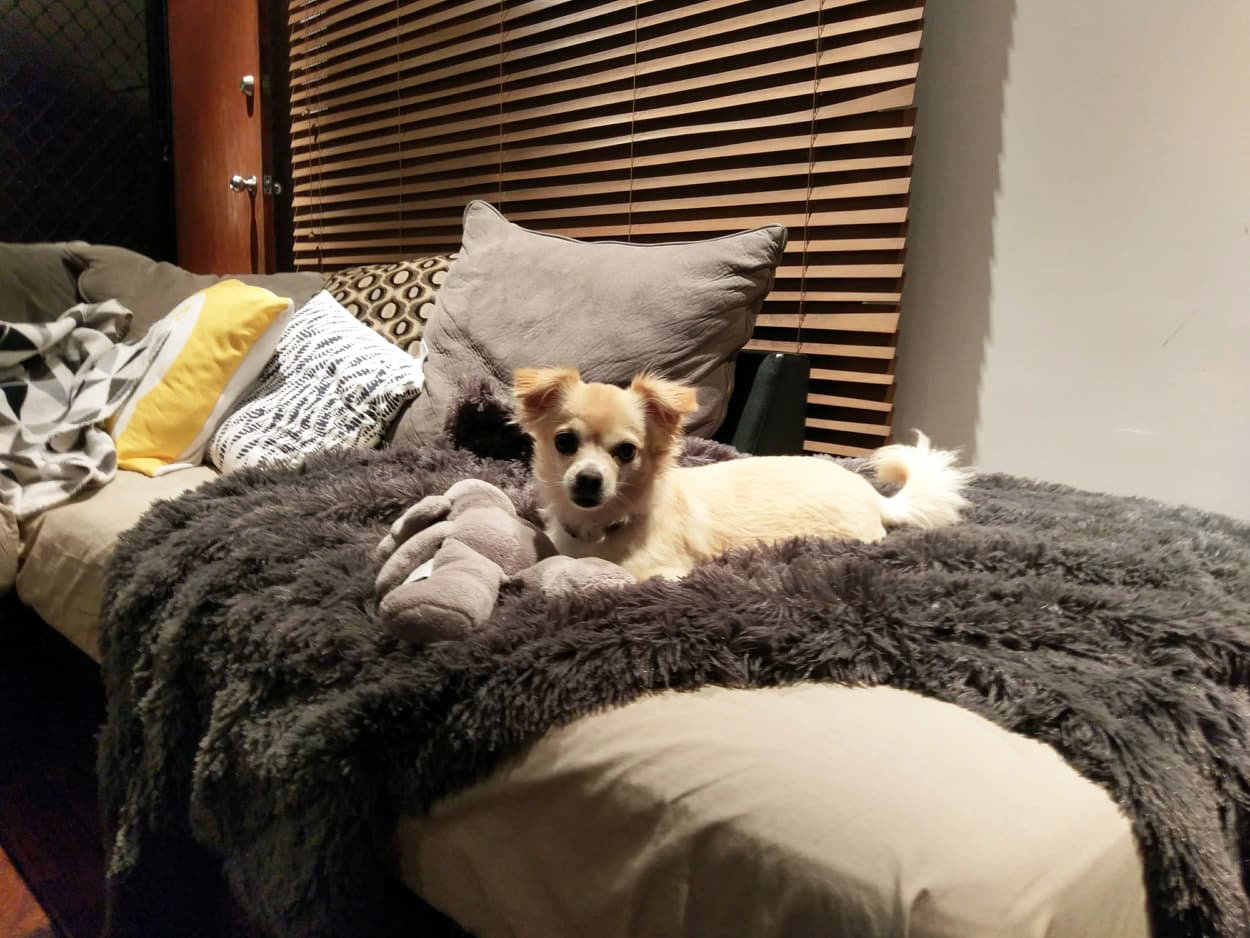
Sally Muscat from Northern Territory has a gorgeous apricot Chihuahua, who just turned 10 last month, whom she’s had since she was four months old.

“She is a little dog with a big personality,” said Sally. “Missy started having seizures at 3 years old, and after a full set of tests (with the limitations on equipment we have here in the NT) it was put down to epilepsy.”

Current medication for epilepsy

Idiopathic epilepsy in dogs cannot be cured, so the goal is to maintain the number of seizures and the duration of the episodes as low as possible without causing unacceptable side effects. Some anti-epileptic drugs can cause significant adverse effects as liver toxicity, therefore titrating the medication and performing blood controls is necessarily throughout the entire life of the patient.

Some of the observed side effects include:

✔️ sleepiness or sedation

✔️ increased appetite and thirst

✔️ drooling and vomiting.

1. Phenobarbital: is the first drug choice because it is usually effective, relatively inexpensive and well-tolerated. It is a long-acting barbiturate capable of suppressing seizure activity in the brain, but needs to be blood tested to adjust the doses. It can induce liver toxicity, develop tolerance over time and have withdrawal effects.

2. Potassium bromide: next step for refractory cases. It is usually combined with phenobarbital. Still over 25% of dogs might be not completely controlled. The animals might display several side effects.

3. Levetiracetam: is considered to be a particularly safe treatment option with a wide range of dosages, however, its efficacy remains unclear and its price is quite high.

However, a combination of phenobarbital and potassium bromide is not enough to control seizures in approximately 20% to 30% of dogs.

Sally was advised to put little Missy on phenobarbitone.

She said, “I was hesitant to agree to this due to the effect it would have on her liver and possible suppression of personality, but I was told this was the best option for her and due to the fear of damage that seizures could cause her brain I felt there was no other option.”

In her experience, “It was difficult to get the dose right and we had to do blood tests every 3-6 months to check her therapeutic levels and her liver function. Missy was definitely still having seizures here and there and the blood tests were stressful for her and very expensive,” she said.

Dr. Calvo Blanco said many owners feel like there is no other option.

“They don’t know that CBD is a real option for their animals, either as a single or as an adjuvant medication, with far less side effects than some of the current medications.

Fortunately, many veterinarians are starting to realise how much CBD can improve the quality of life of their epileptic patients.”

How CBD can help your dog

CBD is a fascinating molecule that works in a myriad ways related to the nervous system. It is capable to interact and somehow control the release and activity of many other neurotransmitters.

In the particular case of epilepsy, CBD is capable of addressing many of the issues related to this illness in a more complete or holistic way.

1. Promotes balance and homeostasis: Homeostasis is the state of equilibrium in the body in which all the organs function optimally, maintaining physiological, cognitive and emotional balance. The main purpose of the ECS is to maintain its balance, so it helps to stabilise electrolytes, neurotransmitters and hormones.

2. Neuroprotection: cannabinoids have been shown to have neuroprotective qualities and the ability to attenuate neuroinflammation and promote neurogenesis. Which is particularly important and interesting in idiopathic epilepsy affecting the neurological system and the brain.

3. Anxiolytic effects: CBD has been proved to have anxiolytic effects both in animal and humans comparable to Diazepam. This is very important to reduce the chance to trigger an epileptic seizure due to stress.

4. Anticonvulsive properties: It has been proved to reduce the number and strength of epileptic seizures both in humans and in animals, both as a single treatment or as and adjuvant of the phenobarbital allowing to reduce its dose at very low, safer levels.

For little Missy, there has been a lot of trial and error to try and get the CBD dose correct. She hasn’t been able to get off the phenobarbitone completely, but she is now on an extremely low dose twice a day. More important, her liver enzymes, that had lately increased, are now back to normal.

“Missy’s dad and I immediately noticed a change in her when we reduced her phenobarbital levels; she is much more bright and bubbly and very playful. She is like a puppy again and she was not like this whilst on the phenobarbital, so it’s great to see,” said Sally. 

“Missy is also storm phobic and we go through 4 months of storms here in the wet season so it’s great to have CBD on hand when needed for calming.”

CBD is the great unknown treatment that can really make a difference in the quality of life of epileptic dogs.

To find an eCS Vet in your State, please visit ecsvet.com

written by Dr. Marta Calvo Blanco, April 2022 for Australian Dog Lover (all rights reserved)

About the writer

Dr. Marta Calvo Blanco
received her Veterinary Degree with Honours in Spain over 25 years ago and ran her own practice with her veterinary surgeon husband for 15 years. Marta worked for highly recognised international small animal nutrition companies and pursued further education in Homeopathy, Flower Essences, Essential oils, Food Supplements and Animal Communication. 

Marta is also a Certified Veterinary Acupuncturist since 2012 (IVAS). After coming to Australia in 2015, Marta worked as an Animal Naturopath and Vet Technician and founded her own company “Holistic Animal Naturopath”, while learning and improving her knowledge on the use of medicinal cannabis. 


She joined CANNect Veterinary (now eCS Vet) in 2019 to help educate veterinary professionals about using cannabinoid medications with animals. Marta is currently the Head of Veterinary Operations and Education at eCS Vet

Learn more at www.ecsvet.com and follow their Facebook page at www.facebook.com/ecsvet

Related Topics:

The Benefits of CBD for Senior Dogs

Prescribing THC for Pets in Australia: Push to Amend Legislation

Calls for Veterinarian Mental Health Funding in Australia

Peak psychology body supports calls for veterinarian mental health funding


The Australian Association of Psychologists (AAPi) is supporting calls by the Australian Veterinary Association for both major political parties to commit to investing $3 million over five years to save the lives and wellbeing of Australian veterinarians.

AAPi Executive Director Tegan Carrison said veterinarians had one of the highest rates of suicide in the world and ongoing mental health support was crucial.

"In Australia, a vet takes their own life every 12 weeks. Not only do we need to increase awareness of the pressure they are under and normalise the need to seek support, we need to make psychological services more accessible so help is there when it is needed," she said.

Dr Nadine Hamilton, AAPi psychologist and a leading expert on veterinarian mental health, said she made a number of submissions for grant funding for vet mental health but all had been rejected, including a pre-budget submission by AAPi in 2021.

"I feel the government is not seeing the desperate need in this profession. The funding we applied for would have gone towards counselling, wellbeing workshops and educational resources," she said.

Dr Hamilton, founder of the charity Love Your Pet Love Your Vet, said although community awareness of vets and their mental health had improved, there was still a stigma among vets about seeking help in the first place.

"A lot of vets feel ashamed about asking for help and often don't want to go to their GP in the beginning to get a referral to a psychologist - if they could self-refer it would streamline the process," she said.

"Vet nursing staff are also under pressure and often need counselling but for them it is often a budgetary issue that stops them from going."

Ms Carrison said the Medicare rebate for all psychologists needed to be raised to $150 so those who needed mental health care could afford it.

Dr Hamilton is the author of "Coping with Stress and Burnout as a Veterinarian" and provides reduced cost counselling via her website.

Tegan Carrison is the Executive Director of the Australian Association of Psychologists Inc (AAPi), a not-for-profit peak body representing all psychologists in Australia.

If you're in Australia and need to speak to someone, please reach out to these help lines: