Latest News

Dog Day Afternoon @ Cuckoo Callay - Newtown on November 14-15

Cuckoo-Callay-Dog-Day-Afternoon-2015

Cuckoo Callay will be hosting Sydney's ultimate furbaby festival - Dog Day Afternoon (inspired by Al Pacino in the movie Dog Day Afternoon), in support of the RSPCA.

On the weekend of Saturday November 14 - Sunday November 15 the cafe will transform its outdoor space into pooch pampering heaven with canine-friendly treats, puppy toys, puppucinos, and even a doggy day spa.

There will be gourmet dawgz for the crowds to indulge in and bubbles by Laurent Perrier and Pizzini, as well as live music and more pup-inspired entertainment.

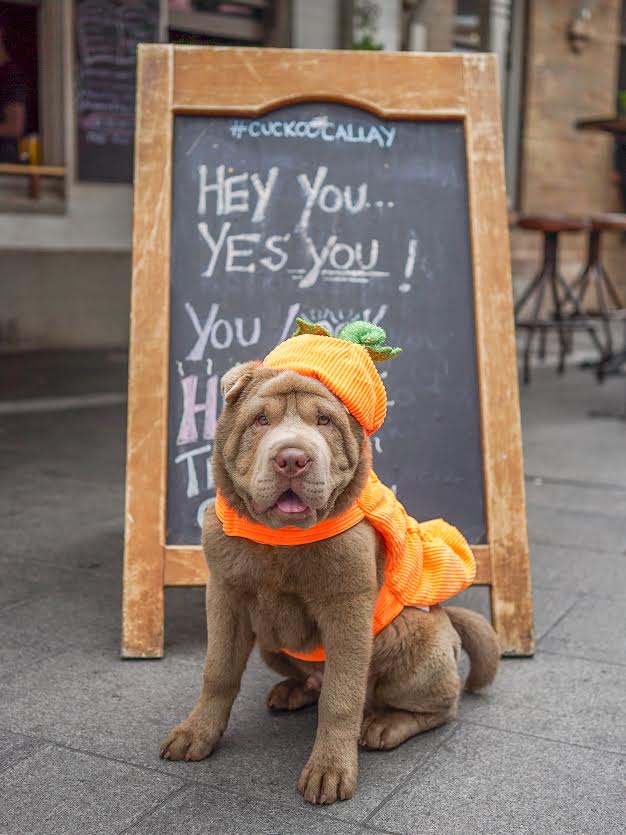
The main feature of the festival is Cuckoo’s Doggy Dress Up Parade, where 15 dogs will battle it out in their kookiest costumes to become Newtown’s next top dog each day. It’s going to be next-level cuteness! 


Up to $1500 worth of prizes will be up for grabs thanks to the festival’s organiser Cuckoo Callay and its proud partners, Pet Circle, Paws of Fun, and Laurent-Perrier

A number of prominent, self-confessed dog lovers have put their hand up to judge the competition, including Tim Dormer (Member for Newtown), Jenny Leong, and Tiffany Farrington, while comedian Scotty Dettrick will act as MC.

Where: Cuckoo Callay, Newtown Railway Station, 342A King Street, Newtown

When: Sat 14th November – Sun 15th November, from 10am until 4pm

Cost: Free (a donation of $50 is required if you’d like to register your dog in the dress-up competition).

For more details or to register your dog in the parade, visit the Cuckoo Callay Facebook page.


Australian Cattle Dog

Dog-breed-Australian-Cattle-Dog

Smart, hardy, independent, stubborn, tenacious, energetic and untiring — these are all traits of the Australian Cattle Dog. Given challenging mental and hard physical exercise daily, it is among the most responsive and obedient of dogs, an exemplary partner in adventure.

History

There is great debate over the origin of the Cattle Dog, with stories of its development in both New South Wales and Queensland. You may also refer to them as Queensland Blue Heelers or Blueys. No records of the original breeding are left, although it is suggested that Blue Merle Collies and perhaps even Bull Terriers were used. The dogs were bred for endurance, toughness and herding abilities. 


While Australia’s cattle industry was developing these dogs were well suited to the wild terrain and the feral elements of the cattle. Over the years they have been less and less useful because of their roughness. These days cattle are more quiet and dogs such as Kelpies and Border Collies are far more adept at handling livestock in a quiet way. Australian Cattle Dogs rarely find a place as a working dog anymore. 

Despite their waning appeal as working dogs, the Australian Cattle Dog remains a lasting representation of Australian bush culture. They are instantly recognisable and are still one of the most popular dog breeds owned in Australia.

Appearance

The Australian Cattle Dog is a strong, compact and sturdy dog, enabling him to combine great endurance with bursts of speed and the extreme agility necessary in controlling unruly cattle. They give the impression of a dog that is tough, alert and capable of quick and sudden movement.

Australian-Cattle-Dog-Red
They have a strong head and broad face with upright ears. It is normal for dogs to have an initial cautious glint or look in the eye. 

Cattle Dogs come in blue or red, with distinctive patterns of mottling and block colour. The dogs have short powerful legs and a rudder-like thick tail that helps the dog balance and turn when moving around quickly.


The weather-resistant coat consists of a short, dense undercoat and moderately short, straight outer coat of medium texture. 

  • Height: Male 46–51 cm, Female 43–48 cm
  • Weight: Male 15–16 kg, Female 14–16 kg

For the Australian Cattle Dog Standard, please visit Dogs Australia

Temperament


Australian Cattle Dogs are loyal, courageous and devoted and possess a natural aptitude in the working and control of cattle. 


Australian Cattle Dog herding cattle
They are suspicious of strangers and will protect the family and possessions with their life. 

They are not naturally aggressive but if provoked they will not back down without a fight. 

 Australian Cattle Dogs love nothing better than to be able to spend time in the company of their owners, doing whatever is asked of them. Although they can sometimes be very stubborn or mischievous, an owner should always be firm without being cruel as the Australian Cattle Dog does not learn through harsh treatment.

The Australian Cattle Dog is best described as intelligent, energetic and fiercely loyal. They have been known to bite a stranger and some can be quite unstable: biting people if they look at the dog or get between the dog and its owner. 

A good breeder will produce dogs specifically for their temperament with breed standards an important, but secondary, consideration.

Training & Exercise

Even though the Australian Cattle Dog is a working dog, it does well in a suburban household as long as its exercise requirements (this includes mental stimulation) are met. Obedience training of Australian Cattle Dogs is a must, as their brain needs stimulation of the right sort so that they don’t think things up for themselves - like digging, pulling your washing from the line, landscaping, jumping fences etc.

Cattle Dogs are extremely intelligent and easy to train. Their only demand is for consistency. Firmness without severity or loud voice will bring out a complete understanding between master and dog. 

It is recommended that Australian Cattle Dogs receive obedience training from an early age and, if they are to be a family dog, they should be immediately introduced to family members and allowed to mix with other people as soon as possible. These dogs can be trained to do almost any kind of task as they relish the opportunity to please.

Australian Cattle Dogs also do extremely well at canine sports including agility, obedience, flyball and flying disc competitions.

Australian-Cattle-Dog-Agility-Competition
Australian Cattle Dog competing in Agility


House Pet Potential

The Australian Cattle Dog can be very active and vocal at times so from the beginning, your dog should be taught that unnecessary barking is not allowed. While not usually a fence jumper, the Australian Cattle Dog can jump, so if you have low fences then perhaps a pen or run could be built for the dog for those times when he is left home alone. 

This breed must be socialised with other animals and people from an early age and throughout their life.

Grooming

The Australian Cattle Dog is very low maintenance and owners say they need very little brushing and can be bathed once in a while. 

Health & Lifespan

Bluey (1910-1939) was the
longest living Cattle Dog

Cattle Dogs are usually hardy and healthy and do not have any significant health problems. 

A Cattle Dog called Bluey is credited as being the longest living dog ever. He lived to 29 years of age and worked sheep for 20 of those years. 

Most Australian Cattle Dogs will live for about 10 to 13 years.


Recommended For

Australian Cattle Dogs are best suited for those who can allow the dog to be a constant companion. The dogs must have constant contact with people if they are to remain manageable. Families are most suitable provided they buy a dog with proven temperament and give the dog obedience training, activity and lots of companionship.

For more information on the breed, please contact:

Australian Cattle Dog Society of NSW
Australian Cattle Club of VIC
Australian Cattle Club of QLD


If you'd like to re-home an Australian Cattle Dog, visit:
Australian Cattle Dog Rescue

There's also an Australian Cattle Dogs for Rehoming Facebook group.

Related Stories


Dachshund

Longhaired-Dachshund
The Dachshund is a short-legged, long-bodied dog belonging to the hound family.

His cute appearance and lively disposition have inspired many affectionate nicknames for the breed, including wiener dog, sausage dog, doxie, dashie etc. Dachshunds are intelligent, loving and extremely loyal to their families, but they are not for everyone!

History

First known as the Teckel in his home country of Germany, the Dachshund has been around in one form or another for at least 500 years. 


The Dachshund’s distinctive long, low shape is due to being purpose-bred to tear down burrows after badgers, rabbits and foxes in its country of origin, Germany. Dachs is the German word for badger, and Hund means dog.

In the 1800s, Dachshunds started being bred more as pets than as hunters, especially in Great Britain. They were favourites in royal courts all over Europe, including that of Queen Victoria, who was especially fond of the breed. Due to this trend, their size was gradually reduced by about 10 pounds. Eventually, an even smaller version - the Miniature Dachshund - was bred to hunt smaller game like rabbit.

Appearance

There are two sizes: the Standard, which is 25-28cm (10-11″) and the Miniature which is 20cm (8″). 


Miniature-Dachshund-Smooth

Their lungs are large for a dog this size and they have a barrel-like chest. 
The Dachshund's unusually large and paddle-shaped paws were perfect for efficient digging.

There are three coat varieties: the smooth, the long, and the wire, which when combined with the two sizes accommodates the six different types. 


There is a wide range of colours available in either solids, or lesser-known dapples (also called merles).

Weight: 9 kg-12 kg. 
For a Miniature, the ideal weight is 4.5kg (10 lbs).

For the Dachshund Standard Long, Standard Smooth, Standard Wire, Miniature Long, Miniature Smooth, Miniature Wire Breed Standard, visit Dogs Australia

Temperament

Dachshunds are extremely sociable dogs and are not suitable for being left alone all day. They want to be with you and your family as much as possible and also like to be on your lap or having cuddles on the couch, so if you want a dog for the backyard a Dachshund is not for you.

They are just as happy playing and being taken for a walk or car ride, which they love, as they are cuddled up to you on the sofa. Some Dachshunds have been described by their owners as couch potatoes, but it is important that they are exercised regularly to keep their weight down and also to prevent boredom and destructiveness.


Dachshunds have a mind of their own, can be stubborn, obstinate, have selective hearing and if you let them, they will rule the household. 

They are not hard to housetrain with the right training, but it can be said that this breed doesn’t enjoy getting wet, and there is certainly a consensus of opinion that when it rains they will not willingly go out in the garden to answer calls of nature!

Dachshunds will bark and are territorial. If a stranger comes to the door they’ll bark, if the doorbell rings they’ll bark, if they can see someone walking past their house, they’ll bark, a bird flying into the garden, they’ll bark. Whatever they can see belongs to them. Not all Dachshunds display this behaviour but you need to be aware of it.

Dachshunds were originally bred to hunt badgers and some of them can have high prey drives, meaning the chooks will not be safe! You may think your Dachshund has excellent recall off leash but if they see something interesting they will be off in a second following their instincts and will not come back until they’re ready. This often leads to tragic consequences. Dachshunds are better off being walked on the leash, especially in areas where there are cars as they do not have any road sense.


Not all Dachshunds like big dogs and they have no idea of their size in relation to other dogs. They will happily take on a bigger dog to protect you or their territory, sometimes with tragic consequences. 

Training and Exercise

A Dachshund's hunting instinct should be strongly encouraged through Field Trials, Earthdog events, and Tracking. Dachshunds also excel in Agility, Rally, and Obedience as well.

Dachshunds are not a pushover but they believe you are! They need firm, consistent training from an early age but they respond well to rewards for good behaviour.

A daily walk for 30 minutes is ideal, and quite important for dogs which otherwise live indoors permanently. 


Health

The extreme short legs of the Dachshund are caused by a dominant gene which produces a condition known as Chondrodysplasia; this is where the cartilage of the growth plates grows at a slow rate and can weaken the backbone. This means the long spine might be vulnerable to back problems especially if the dog is obese, frequently uses stairs or is allowed to jump down from chairs or lounges.

Intervertebral disk disease is a major clinical problem in the breed. However, by recognising the causes and consequences of the problem, owners may prevent a great deal of difficulties by restricting the amount of excessive jumping and managing the weight of their dogs.

Progressive Retinal Atrophy (PRA) is a term for retinal degenerations occurring in many breeds of dogs. The disease results in a degeneration of the light-sensitive membrane at the back of the eye – the retina – resulting in loss of vision, and often leading to blindness. PRA has been diagnosed in all varieties of Dachshunds but there has been a predominant incidence in the mini long-haired variety.


Grooming

Dachshunds are a low-maintenance breed. They shed, but not excessively.

  • Smooths can be wiped with a damp cloth between baths to keep them clean. If you live in a location that is cold in the winter, your Smooth Dachshund may need a sweater when he goes outside.
Wirehaired Dachshund
  • Wirehaired Dachshunds require regular brushing, and they'll need to have their coats "stripped" two to three times a year to look their best. 
  • Longhaired Dachshunds should be brushed regularly to remove knots and burrs and prevent mats from forming. They need to be bathed more often than the Smooth Dachshund, and you must blow-dry them afterward for their coat to look good.
Special attention should be given to the areas under the ears and between the pads of the feet.

Recommended for
The small, neat size of the Dachshund makes him an ideal housedog. The breed is frequently chosen by older people looking for a companion as well as a reliable watchdog.
A Dachshund can be suitable for families with young children, but they are small dogs and children should be taught how to behave around them.

Dachshunds are often acquired without any clear understanding of what goes into owning one, and these dogs often end up in the care of rescue groups, in need of adoption or fostering. If you're interested in adopting an Dachshund, a rescue group is a good place to start.

Dachshund Rescue Australia


For more information on the breed, please contact:

Dachshund Club of NSW
Dachshund Club of VIC
Dachshund Club of QLD

MasterChops 14th November 2015 - Melbourne


MasterChops is a forum dedicated to connecting the worldwide canine community, all in the spirit of learning. This event promises to challenge existing notions and philosophies about animal health and to start a conversation about the role that food plays in preventing and treating disease.

To be held in the heart of Victoria, Australia at the Melbourne Convention & Exhibition Centre, MasterChops will also be available worldwide via live online pay-per-view. Your host Phivo Christodoulou (The Dog Health Guy and director of Augustine Approved) invites some of the brightest minds in canine health to the stage to share their collective experience and wealth of knowledge with you!

MasterChops is all about putting the power into your hands and helping you make informed and educated decisions when considering care and nutrition for your best friend. Over time, environmental, lifestyle and nutrition shortfalls can lead to a range of health concerns, some chronic which require ongoing expensive treatment and care; others can be terminal which is devastating for both you and your animal companion.

The keynote speakers are international canine experts Rodney Habib (Canada) and Dr Karen Becker (USA). The supporting panel includes Dr Bruce Syme of Vets All Natural (VIC) and Dr Ian Billinghurst - the grandfather of raw feeding and creator of the B.A.R.F. diet (NSW). 


When: Saturday 14th November, 2015

Where: Melbourne Convention & Exhibition Centre

For more information about the event and to secure tickets, please visit the website:http://www.masterchops.com.au/

2015 Perth Pet Expo on November 7-8

Perth-Pet-Expo-2015-Dockdogs

The Silver Pet Prints Perth Pet Expo is on November 7th and 8th and will offer an extensive line-up for pet lovers of all ages.

After a successful inaugural event in 2014, up to 9000 visitors are expected at the 2015 event.

As well as more than 80 exhibitors, this year’s expo will host the first WA instalment of the national Dock Dogs Competition, the only worldwide ranking sport for dogs. Hosted by Farmer Dave Graham, the event is described by expo organisers as the most entertaining dog sport on earth.

Another highlight of the two-day expo is ambassador Rick Fenny, famous as the official vet of the hit Australian film Red Dog, hosting the Pets and Vets Pet Health and Wellness Corner to share his wealth of knowledge on pet health.

Dr Fenny was an adviser on Red Dog and more recently its prequel Blue Dog, which is set for release next year.

Dr Fenny, who is also the founder of Pets and Vets, is a staunch advocate for preventive pet medicine to ensure longevity.

Fellow expo ambassador, veterinarian behaviourist Dr Kate Lindsey, will share her insights on the behaviours, social and physical needs of pets under the banner of her Kalmpets Dog Stay and Animal Behaviour Centre.

Animal rescue groups will take centre stage at the Mega Adoption Corner. For the first time an outdoor, pet-friendly cafe will be operating.

Pets on a leash are welcome at the expo and if you bring your pooch along you can even treat him or her to a wash at the City Farmers dog wash.

The expo also will host the announcement of the 2015 WA’s Cutest Pets Competition, presented by Habitat.

For those looking for a keep-sake, Silver Pet Prints can take orders for your pet’s footprint in piece of silver jewellery.

When: November 7-8, from 9am-5pm daily

Where: Claremont Showground, Robinson Pavilion

For more information, please visit perthpetexpo.com.au 

Tickets are available from eventbrite.com.au, or at the gate.

Big Dog Skin Sensitive RAW Food

Big-Dog-Skin-Sensitive-RAW-Food-patties
One of the most common problems faced by domestic dogs today is skin allergies and with this in mind, Big Dog Pet Foods have developed a special skin allergy diet as an alternative to their standard RAW Food flavours.

The new Skin Sensitive RAW Food provides a complete diet designed to provide the optimal nutrition profile to aid in alleviating and preventing common skin conditions in your pet.

Included as top line ingredients are Fish (Salmon and Sardines), Fish Oil and activated Chia seeds, which all contain excellent levels of Omega 3’s.

Omega 3’s promote health benefits such as:


  • healthy skin and coats
  • an improved immune system
  • strong cardio vascular health
  • anti-inflammatory properties

Included in the impressive list of ingredients are also some fresh non-inflammatory meat trimmings, an extensive fruit and veggie profile (with anti-oxidants and phyto-nutrients), prebiotics and live probiotics as well as Eggs, Coconut Oil, Turmeric, Kelp, Alfalfa, Nettle and Brewers Yeast.

Typical analysis of the Sensitive Skin Raw Food patties:
  • Protein: 13%
  • Fat: 11.5%
  • Calcium: 1.1%
  • Phosphorus: 0.9%
  • Calcium: Phosphorus ration 1:08
  • Ash: 2.4%

Price and Where to Buy

The Big Dog Barf Sensitive Skin pack comes in a box with 12 x 250g meat patties.

RRP: $25.95 available nationally from pet retail shops and online


For details, please visit www.BigDogPetFoods.com

People Foods Your Dog Can Eat Safely

As a responsible and informed dog lover you aim to give your dog the best diet possible. Good nutrition coupled with a regular health care program may result in extending your dog’s life by as much as 15 percent

There are some human foods that can be safely added to your dog’s meals in moderation to give a nutritional boost to their diet and add a bit of variety to the food bowl though this is mainly for our benefit. Dogs, unlike humans are content to eat the same food every day!

Just a note that any additions to your dogs' meals shouldn’t comprise more than 25 percent of their weekly calorie intake.


As always, check with your veterinarian before making any major changes to your dog’s diet, especially if they are on any medications. Upsetting the vitamin and mineral balances in your dog’s diet can have negative effects on your dog’s health and some medications interact badly with some nutrients. 

#1. Oatmeal


can-dogs-eat-oatmeal
Oatmeal is a good source of soluble fibre. This can be beneficial for some older dogs that may have trouble maintaining bowel regularity. 

Oatmeal is also an alternative source of grain for dogs that are allergic to wheat. It can be fed in conjunction with probiotics to enhance their function. 

Keep in mind oatmeal should always be fed cooked and plain with no sugar or flavouring. 

#2. Yoghurt

Yoghurt is a good source of available calcium and protein and can assist if your pooch suffers from digestion problems. When choosing yoghurt, pick one that has live active bacteria and no sugars or artificial sweeteners. The active bacteria may act as probiotics. If your dog is slightly overweight, make sure that you pick fat-free yoghurt but not one containing added sugar or an artificial sweetener. Frozen yogurt can make a nice summer treat for dogs.


#3. Eggs

Eggs are a great source of very digestible protein, riboflavin, and selenium

For some dogs that are prone to digestive upset, eggs can give them a little protein boost. Adding eggs to your dog’s food is a healthy treat. Make sure to use cooked whole egg, as raw egg whites can cause biotin deficiency. 

If you do a lot of training with your dog, consider taking cooked eggs to your next class as training treats.

#4. Salmon

Salmon is a fatty fish which is also a good source of Omega- 3 Fatty Acids. These fats support the immune system and can be beneficial for both skin and coat health. There has also been some indication that they may benefit dogs with allergies. You can feed salmon or salmon oil. If feeding salmon, make sure it’s cooked before serving, as raw salmon can carry a parasite that can make your dog sick.


#5. Meat

What dog's nose doesn't go on alert when there's meat around?
If your dog requires extra protein in his diet, cooked unseasoned chicken, turkey, lean mince beef, and chuck steak or roast are an easy addition to his regular food and a good meal replacement if you find yourself out of dog food.

A few rules apply: 
  • Always cook meat well. Never serve it raw or undercooked. 
  • Avoid fatty cuts, including bacon
  • Cut meat - and any human food - into easy-to-chew chunks. Ground meat is fine, too. 

#6. Pumpkin


Pumpkin (raw or in a can) is a good source of fibre and beta carotene (a source of vitamin A). 

Dogs need fibre in their diet. The current trend is towards highly digestible diets that lower stool volume but this is not necessarily a good thing. 

Keeping the GI tract (gastrointestinal tract) moving helps keep the cells lining the gut healthy.


#7. Sweet Potatoes

Sweet potatoes are another great source of dietary fibre and contain vitamin B6, vitamin C, beta carotene, and manganese. Sweet potatoes are great sliced and dehydrated as a chewy treat for your dog.

#8. Green Beans


can-dogs-eat-green-beans
Green beans (either fresh or canned with no added salt) are a good source of plant fibre, vitamin K, vitamin C, and manganese

If your dog has a tendency to put on weight, then replacing some of his regular food with green beans is a great low calorie way to fill him up and help maintain his weight.


#9. Broccoli

This vitamin-rich vegetable can be a great occasional nutrition boost for dogs. However, the head of broccoli contains an ingredient called Isothiocyanate which can cause gastric irritation, therefore it shouldn't make up more than 5% of your dog's diet. The stems are probably the safest part for dogs since only the top flowery head contains that harmful chemical.

#10. Carrots

Shar-pei-eating-carrot

This popular vegetable is packed with vitamin A, C, D, E, K, B1 and B6. Raw carrots are low in calories and constitute a nice canine treat on occasion. Plus, crunching on carrots can be good for your dog's teeth. Cooked carrots can also be 
fed but don't be tempted to add spices, sugar or salt.

#11. Flax seed


flax-seed-good-for-dogs
Flax seed (ground or oil) is a good source of Omega-3 Fatty Acids, which are essential fatty acids that are good for skin and coat. 

Whole flax seeds are best if ground right before feeding as this type of fat can go rancid quickly. Flax seed can also be added to your dog’s diet as a source of fibre. Flax oil is a more concentrated form of omega- 3 fatty acids without the fibre. Make sure that you store the oil or seeds in the fridge in an air tight dark container. 

#12. Apples


can-dogs-eat-apples

As long as you are feeding your dog a high quality dog food, they likely won't suffer from nutritional deficiencies and there is no need to supplement their diet with raw or cooked fruits like apples. 

An occasional treat is ok but your dog could experience stomach discomfort, including diarrhea.

Apple seeds, however, contain cyanide so your dog should not be allowed to eat the core. 


#13. Peanut Butter


peanut-butter-good-for-dogs
Besides its irresistible taste, peanut butter is loaded with large amounts of proteins, vitamins, antioxidants and quality fats, which are all healthy for dogs. 

Peanut butter also contains Omega fatty acids which promotes health and reduces bad cholesterol.

Several brands now offer sugar-free peanut butters which contain Xylitol - an artificial sweetener extremely toxic to dogs - so please read the ingredients label to ensure it is not present.

Great Dane


The Great Dane is one of the world's tallest dog breeds. A true gentle giant, the Great Dane has a playful, easy nature which can give way to bouts of silliness both as a pup and as an adult.

History

Great Dane history from the 14th century forward reveals that the early Dane was a courageous and powerful hunter, capable of great speeds and swift attack.

This muscular dog was developed primarily in England and Germany by combining the speed of the Greyhound, with the muscle and strength of the English Mastiff.


German Chancellor Otto von Bismark
with his Great Danes
Many canine historians further link the Irish Wolfhound to this breed lineage. 

Over time and through selective breeding, Great Danes have been transformed from fierce hunting dogs into the noble, well-mannered giants we know and love today.

They are the national dog of Germany and have been favoured by the likes of Chancellor Otto von Bismarck and Buffalo Bill Cody.

Appearance

One of the largest dog breeds in the world, the Great Dane can reach a minimum of 76cm (30") at the shoulder and weigh upwards from 54kg (120lb).

This is a tall dog with a moderately deep chest and a square appearance. The head is rectangular in shape with ears which are large, triangular and floppy.


Harlequin Great Dane
There are six recognised colours - Fawn, Brindle, Black, Blue, Mantle and Harlequin

Great Danes with colours or markings besides these six cannot be shown but regardless of colour, they all can make fine family pets. Be cautious of those breeders trying to sell you a 'rare' colour.

The Great Dane grows into a massive dog which should be considered before purchasing the breed. A Great Dane can grow well over 6 foot in height, when stood on their hind legs, so he is capable of peering over any garden fence. 

Prospective owners also need to think about fitting both the dog and the family in the car, how much room there is for the dog to lay on the lounge room floor when the children want to play. Consider that a Great Dane will ‘counter-surf’ the kitchen with ease and a Great Dane dog door is big enough for an adult to get through...

  • Height: Female: 71–81 cm, Male: 76–86 cm
  • Weight: Female: 45–59 kg, Male: 54–90 kg
For the Great Dane Breed Standard, visit Dogs Australia

Temperament

Great Danes are territorial and most will bark at strangers on their property, but once introduced, are friendly and affectionate. Owners say they are loving and loyal, and adore human company.


Despite their size, Great Danes have a sensitive nature and this can easily lead to anxiety issues if they are not given clear boundaries early on.

Health & Lifespan

Bone strength is vital for giant breeds such as Great Danes. Start with a balanced diet as puppies and stick to the diet sheet provided by the breeder.

Danes do have a slower metabolism than most other breeds and even other giant breeds so the accepted practice is to stay with a food that fits the 23%-25% protein range, feeding a well-balanced diet, which generally consists of a premium adult dry dog food mixed with raw mince. Just bear in mind that a growing puppy can eat up to 8 cups of dry food a day.

Carrying excess weight adds stress to bones and joints and particularly impacts as they grow old. An obese or even a chubby Great Dane is not a healthy one.

Great Danes may be predisposed to certain health problems such as:
  • Hip and Elbow Dysplasia
  • Von Willibrands Disease
  • Wobbler Syndrome
  • Eye/hearing abnormalities (especially in predominately white dogs)
  • Sports and/or weight injuries like cruciate ligament tears
  • Thyroid abnormalities
  • Irritable Bowel Syndrome
  • Cardiomyopathy and other heart conditions 

Puppies and young adults can develop growing or bone problems which are sometimes associated with an improper diet. The most negative aspect of the breed is a short life span.

Deal only with a reputable breeder and make sure you see certificates with low-risk ratings for hip and elbow dysplasia, both inheritable defects causing degeneration of the hip or elbow.

Being a deep-chested breed, Great Danes are vulnerable to canine bloat or stomach torsion and it is recommended to feed your dog smaller portions several times a day. Also don’t exercise him immediately after eating or drinking.

Cancers are now part of the world of canines across many breeds and they are more readily diagnosed and can be treated. Great Danes do have a slightly higher prevalence to cancers compared to some dogs and Osteosarcoma, especially in a limb, can be a huge hurdle to overcome.

You should consider whether you could care for a Dane with an amputation or nurse one through surgery and/or chemotherapy.

Housepet Potential
If  you have the room, Great Danes are good indoors, with little hair shed and usually content to stretch out on the floor or lounge as they love lying at (or on) the feet of their owners. 

A Great Dane can live as an outside dog but cannot be people deprived. They will seek the company of their humans and if it is not available, may show signs of anxiety or destructive behaviour. A naughty Great Dane doesn’t chew the chair leg, it chews the table!

They do require more food than a Labrador sized dog, vet bills and medications will also cost more as this is a giant breed. If you decide to bring a Great Dane into your home you will need to be realistic of the costs that can be involved in caring for him.


Pet insurance will help enormously with the costs that you will incur particularly with any major medical events. A Canine Bloat and torsion episode can range from $6,000 - $20,000 and finding these large sums of money urgently stretches any budget.

All Danes slobber, some more than others. There is a gene in their make up which causes excessive slobber, some Danes have it, some don't - it is the luck of the draw! Some of the Danes with a finer head shape and tighter lower jowl will slobber less in volume but there is no guarantee. It is usually while they are exercising or overheating. Get used to carrying a 'slobber' cloth with you wherever you go.

A Great Dane can live as an outside dog but cannot be people deprived. They will seek the company of their humans and if it is not available, may show signs of anxiety or destructive behaviour. A naughty Great Dane doesn’t chew the chair leg, it chews the table!

Training and Exercise

Adult Danes kept in suburban backyards will need a daily walk of 30 minutes. Many Danes are kept on acreages and will self-exercise.


Dogs under 12 months of age should only have smaller amounts of exercise until their growth plates close.

Grooming

Great Danes require minimal grooming, although washing them can take some time!

Recommended for

Much of the success in owning a Great Dane will come with responsible ownership and attention to early socialisation and training. Control of this huge dog is essential at all times in all situations, and most experts say Danes respond well to training. Puppy school is an ideal introduction, and basic obedience is very important.

Although Great Danes who have been raised with children are usually very gentle, they are much larger than a small child even as puppies and "teenagers" and can be boisterous. Children must be taught the correct way to interact and parents need to monitor correct behaviour on the part of the child and the puppy. 
Dogs and children should never be left alone unsupervised.

For more information on the Great Dane breed or to re-home a “Gentle Giant", please contact:

The Great Dane Club of NSW
Great Dane Society of QLD
The Great Dane Club of VIC

Great Dane Rescue & Re-homing
Great Dane Rescue VIC

Great Dane Lovers Association of WA